
The internet has become an unavoidable part of our daily lives. With the surge in the online world, cybersecurity has become a crucial issue that cannot be ignored, especially when it comes to personal computers. Attackers are constantly evolving their malware and ransomware attacks, making it increasingly challenging to protect our computers from such threats. However, there are several precautions we can take to secure our personal computers.
Install Antivirus software
The first and foremost step towards securing your personal computer from malware and ransomware is to install reputable antivirus software. Antivirus software can help in detecting and preventing malicious software from infiltrating your device. Make sure to keep the antivirus software updated regularly, preferably daily. Outdated software is more vulnerable to cyber threats.

Update your Operating System
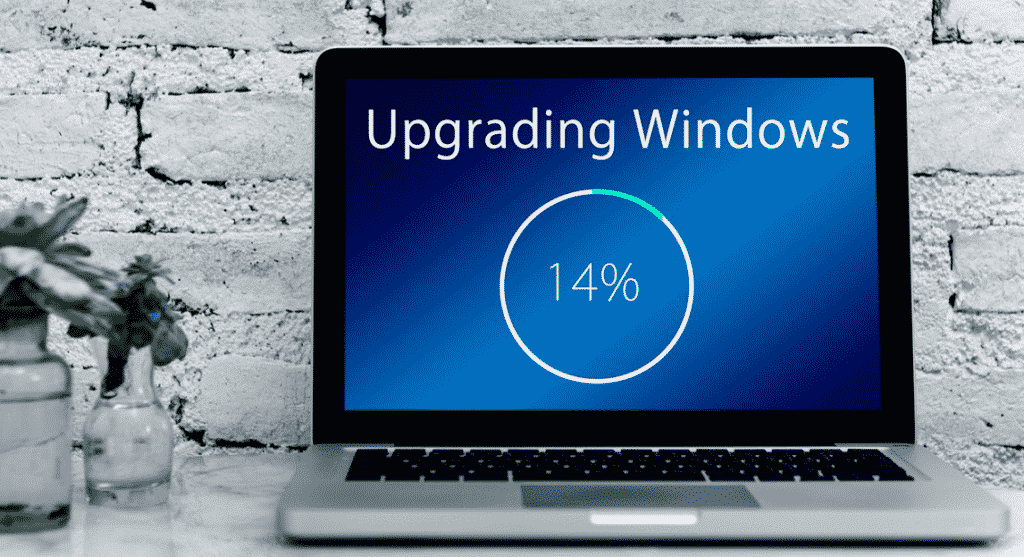
Operating System updates usually consist of patches that address any vulnerabilities in the system. Updating your Operating System regularly is crucial to keep it secure from malware and ransomware. Therefore, make sure to enable automatic system updates to ensure the latest security patches are installed when they become available.
Use a Firewall
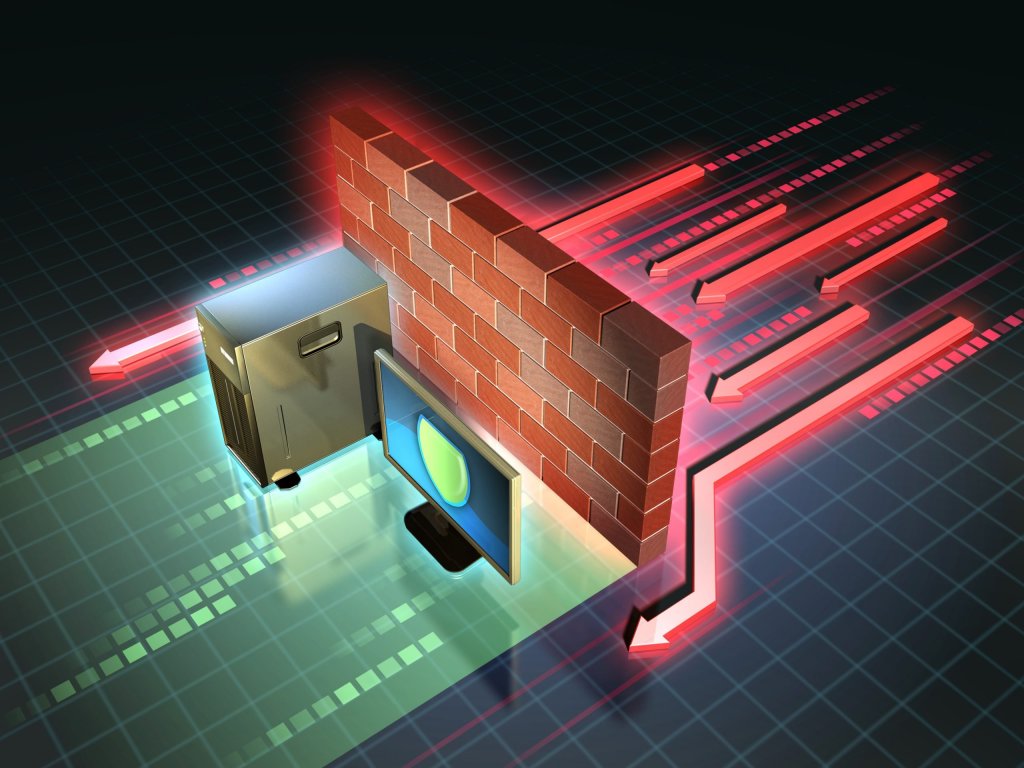
A firewall acts as an additional line of defense against any unauthorized access to your computer. It prevents hackers and attackers from gaining access to your system by controlling the incoming and outgoing network traffic. Ensure that the firewall is enabled on your computer to protect you from malware and ransomware attacks.
Avoid Opening Suspicious Emails
Beware of emails from unknown senders that contain suspicious links and attachments. These emails are usually phishing attempts – an attempt to trick you into providing sensitive information or downloading malware onto your computer. Always double-check the sender’s email address and avoid opening any links or attachments from unknown senders.

Back up your Data
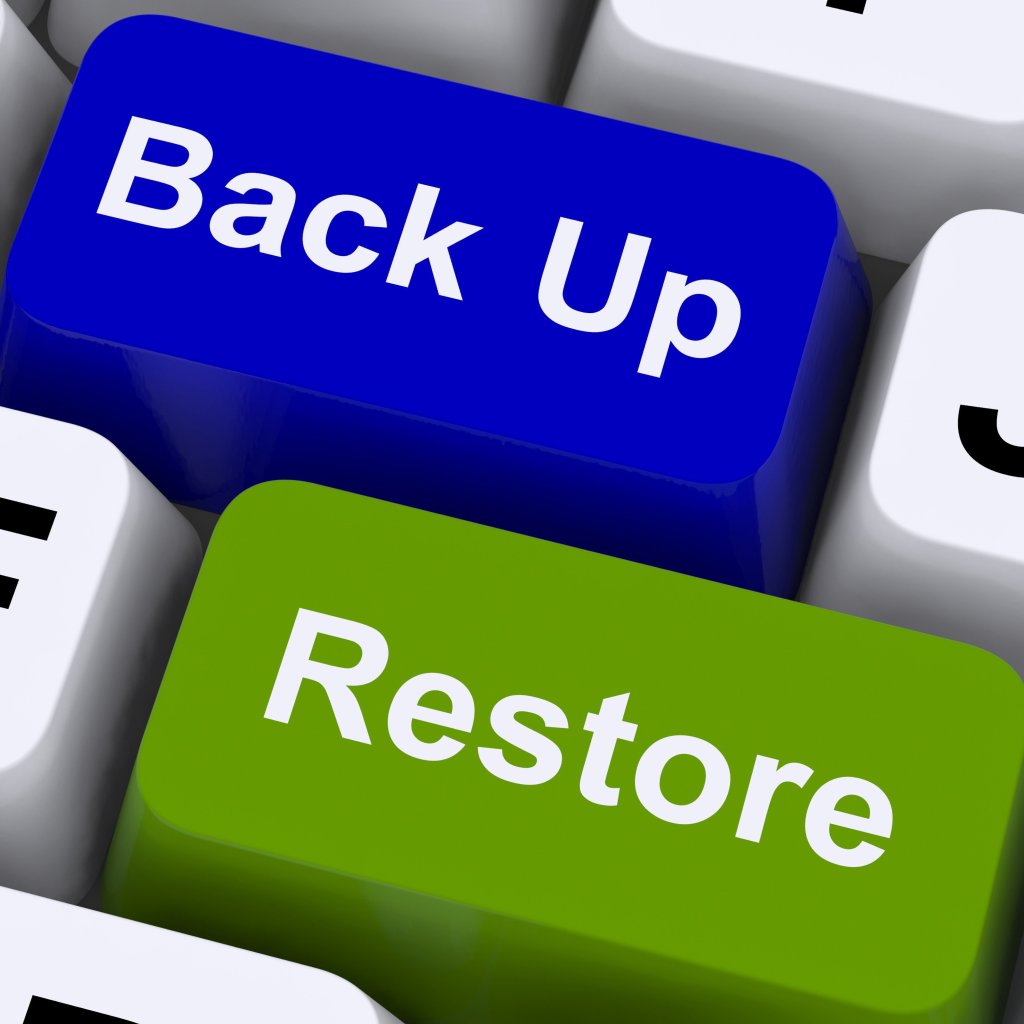
Ransomware is a type of malware that encrypts your files and data, making it inaccessible to you. Attackers then demand a ransom payment to decrypt the files. The only way to get your files back is by paying the ransom or restoring the data from backup. Therefore, it is advisable to back up your data regularly. Store the backup data in a separate location, preferably in the cloud.
Conclusion
Securing personal computers from malware and ransomware threats requires a proactive approach. Being vigilant and cautious while performing tasks on your computer is crucial to avoid falling victim to cyber attacks. The precautions mentioned above can help in securing your computer, but it is essential to stay alert and keep updated with the latest security trends and threats in the cyber world. Remember, prevention is always better than cure.
Follow us on Facebook, Instagram, Tumblr & on Blogspot for more stuff.
 Tech91